01 · May 2026Fishing was stopped
In May 2026, the authorities began enforcing the old prohibition on fishing with bottom-towed gear west of Rømø and Mandø.

15 August 2026 · The prohibition has been lifted
The Danish Emergency Management Agency has changed the prohibited areas off Lister Dyb, Rømø and Mandø into warning areas. Every vessel can return to sea and resume work. The fight for answers, accountability and justice now continues.
New official status
On 14 August 2026, the Danish Emergency Management Agency announced that the prohibition would be lifted with effect from 15 August. The former prohibited areas off Lister Dyb, Rømø and Mandø are now warning areas.
“The first round of the fight is in the bag. Every one of us can now get back out and do our job. But we will continue the fight for justice.”
This is how one of Rømø's fishers describes the new situation.
Open the original official letter ↗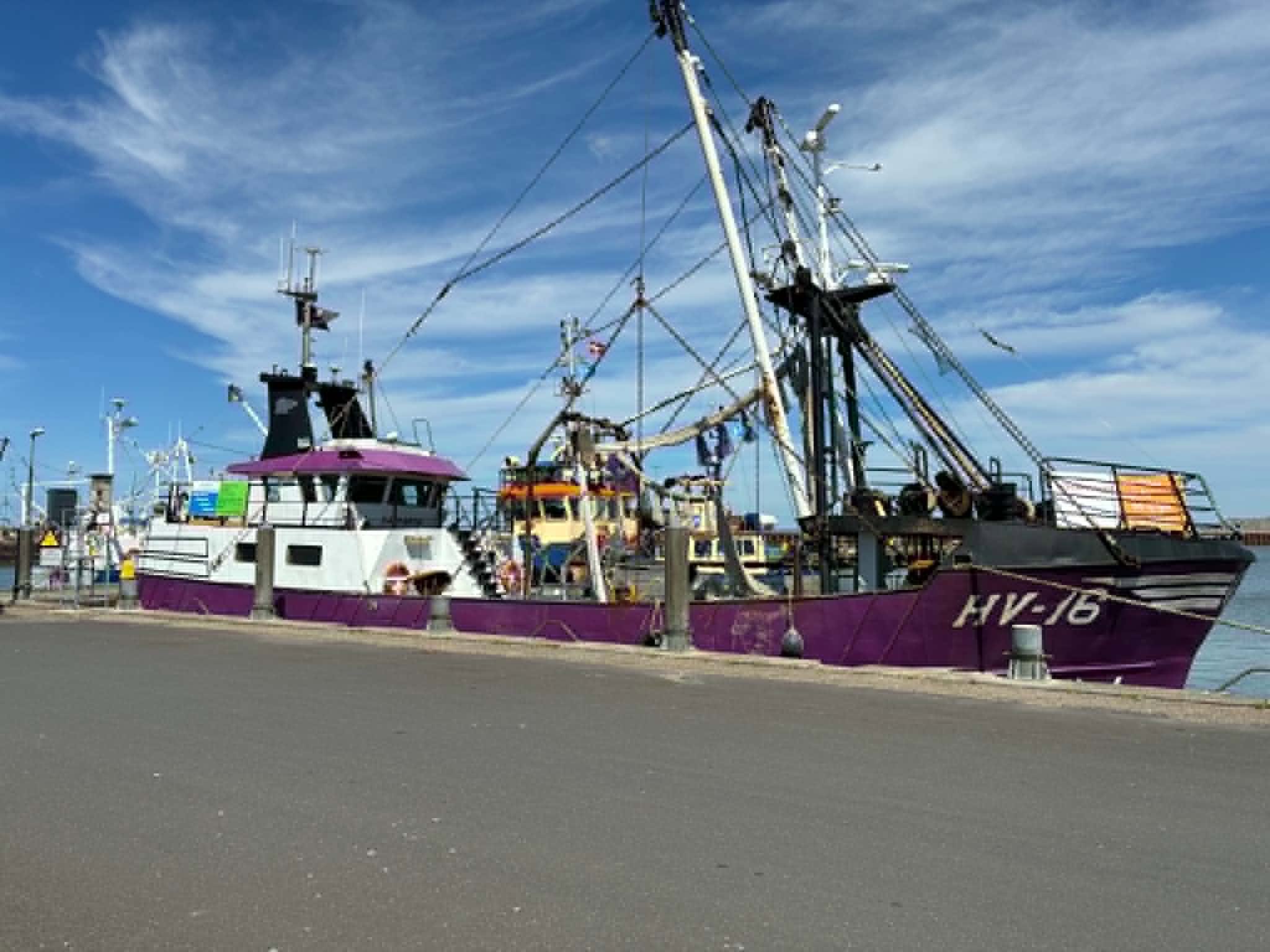
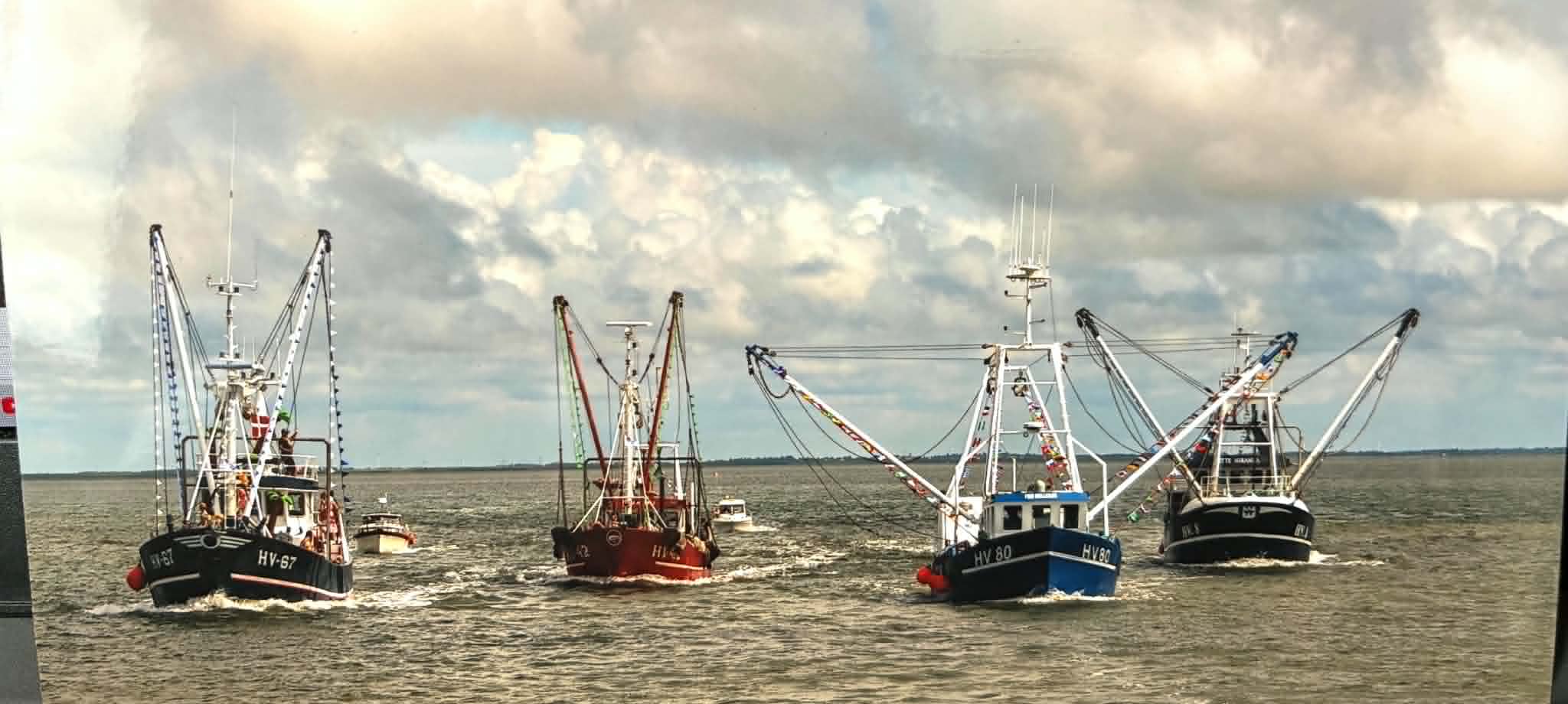
We are brown shrimp fishers from Rømø. Our purpose-built vessels, gear and experience are dedicated to a fishery that the earliest licence found so far documents back to 1968 – at least 58 years.
There is information about earlier German fishing in the area, but the material currently available does not establish how far back the fishery extends. We therefore describe 1968 as the earliest documented licence, not as the beginning of the fishery.
In May 2026, the authorities began enforcing an old prohibition on fishing with bottom-towed gear west of Rømø and Mandø. On 15 August 2026, the prohibition was lifted and the areas were redesignated as warning areas.
The areas remain marked as warning areas. Lifting the prohibition gives the fishers their work back, but it does not settle the questions surrounding the process or the losses their families have already suffered.
I want to helpSpecialised brown shrimp fishing
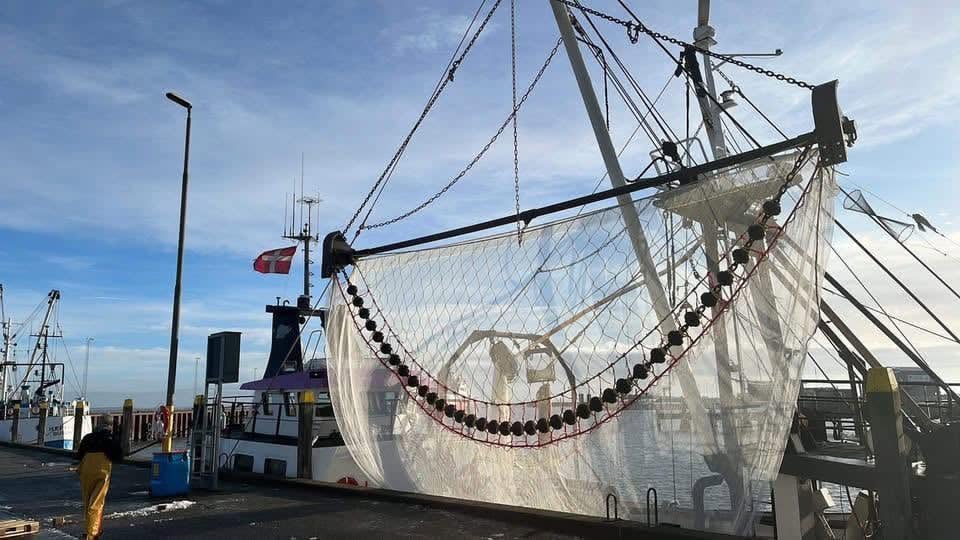
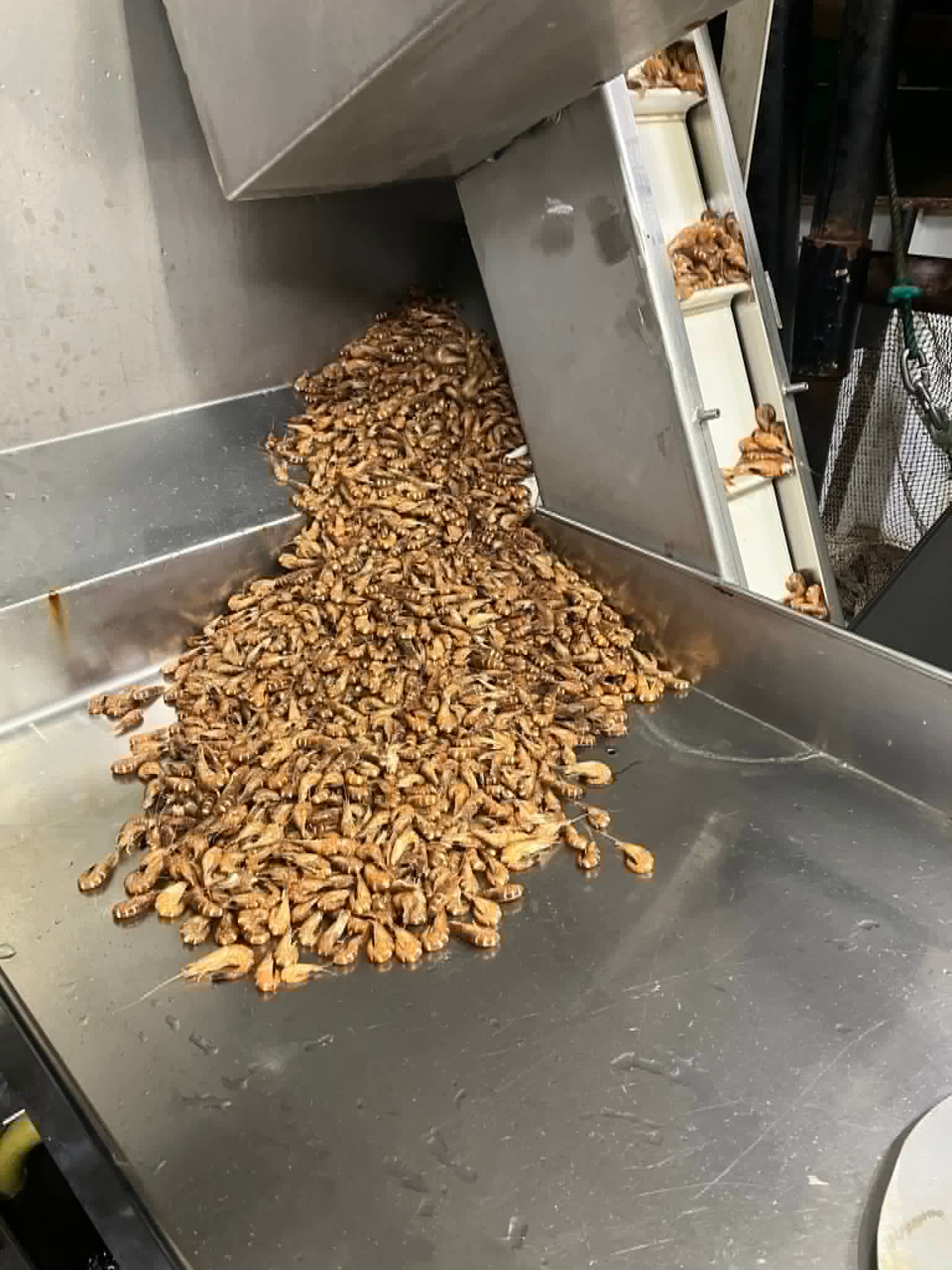
The permit conditions require a selective trawl with a sieve net that guides bycatch back out. Beam length is limited to 10 metres, chains may not be used in front of the ground rope, and sorting must take place under a continuous flow of water.
Catch that is not retained is returned directly to the sea. These are binding requirements for how the fishery operates — not merely intentions.
What does the research show? The Thünen report shows that the animal communities on the fine and medium sand habitats studied are resilient at low fishing intensity. Looking at the experiments as a whole, the researchers found no statistical accumulation of effects after fishing. Effects measured for individual species were calculated to last 13–20 days. The findings therefore point to a naturally dynamic marine environment that is resilient at low fishing intensity.
The central question
Why was our fishery stopped with immediate effect while the safety assessment was still under way?See the evidence ↗
The prohibition was not introduced in 2026. What is new is its consistent enforcement after decades of open, known fishing activity.
The licence documents the fishery 58 years back. Information about earlier German fishing indicates that the history may be older, but its starting year has not yet been documented.
Safety regulations restrict bottom-towed fishing gear in certain areas because of mines and other explosive objects.
Executive Order no. 135 of 4 March 2005 defines the prohibited areas west of Rømø and Mandø.
Brown shrimp fishing continues in the area for many years without consistent enforcement of the prohibition.
The Danish Society for Nature Conservation announces that the Danish Emergency Management Agency will now enforce the prohibition.
The minister states that the Danish Emergency Management Agency has begun a process to determine whether the rules should be adapted to changed safety conditions.
The prohibited areas off Lister Dyb, Rømø and Mandø are redesignated as warning areas. Every vessel can resume fishing.
The fishers are back at work, but the association is still seeking answers, accountability and recognition of the losses already suffered.
The prohibition was enforced in May and lifted in August. The consequences of the closure have not disappeared.
In May 2026, the authorities began enforcing the old prohibition on fishing with bottom-towed gear west of Rømø and Mandø.
The Danish Emergency Management Agency lifted the prohibition following an assessment by the Danish Defence Command. The areas are now warning areas.
The fishers can work again, but the association is continuing its fight for answers, accountability and justice after the financial and human strain of the closure.
Rømø Fiskeriforening explains
Former chair Oluf Stenrøl Kristensen, who led the association for 49 years, had preserved around 30,000 documents from its correspondence.
Among them, the fishers found a letter in which the Ministry of Fisheries stated that it would contact the Ministry of Defence about fishing in the area containing mines and other explosives. The letter carried a case-file number.
The association sent that number to the Danish National Archives, but was told that the material in the case had been deleted by mistake. The final written evidence of the earlier agreement therefore remains missing.
Pau Schramm · Chair, Rømø Fiskeriforening
Rømø Fiskeriforening states that fishers have worked in the area for decades without a mine incident. They are asking for a swift decision and the opportunity to continue fishing while the authorities assess the safety case.
New official response
The Danish Maritime Authority states that its electronic case-management systems can be searched approximately 25 years back. Those records contain no information about accidents or incidents at sea involving mine explosions or other abandoned wartime ordnance in connection with bottom-towed fishing west of Rømø and Mandø.
This statement relates to the period covered by the searchable records. It is not, in itself, an assessment of future risk.
Read the Danish Maritime Authority's response ↗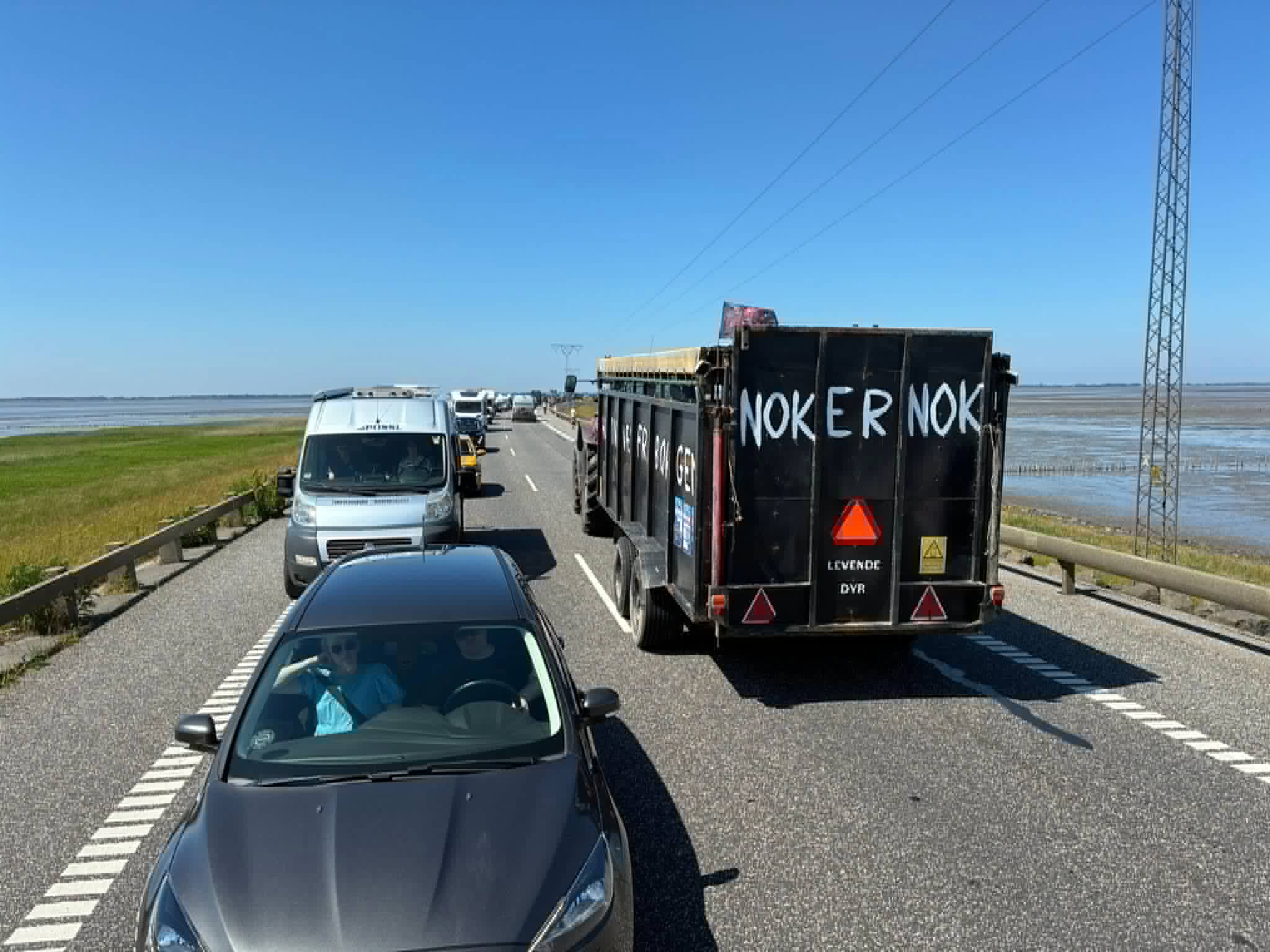
If you want to look beyond our account, the original documents are available here.
Stand with us
Choose whether your donation should provide direct financial support to the affected fishers or fund legal assistance. Each collection has its own MobilePay number and bank account.
Your donation supports: Direct financial assistance and crisis support for members of Rømø Fiskeriforening in need, including loans to young fishers. Funds may also be used to purchase members’ fishing vessels to help prevent personal bankruptcies, preserve local assets and support the long-term survival of the fishery on Rømø.
 MobilePay115583
Your donation supports: Legal aid and legal representation for Rømø Fiskeriforening and its individual members. The funds cover legal costs arising from the judicial and administrative proceedings involving the authorities.
 MobilePay115015